A Simple Way to See the Gut Through a Lifetime
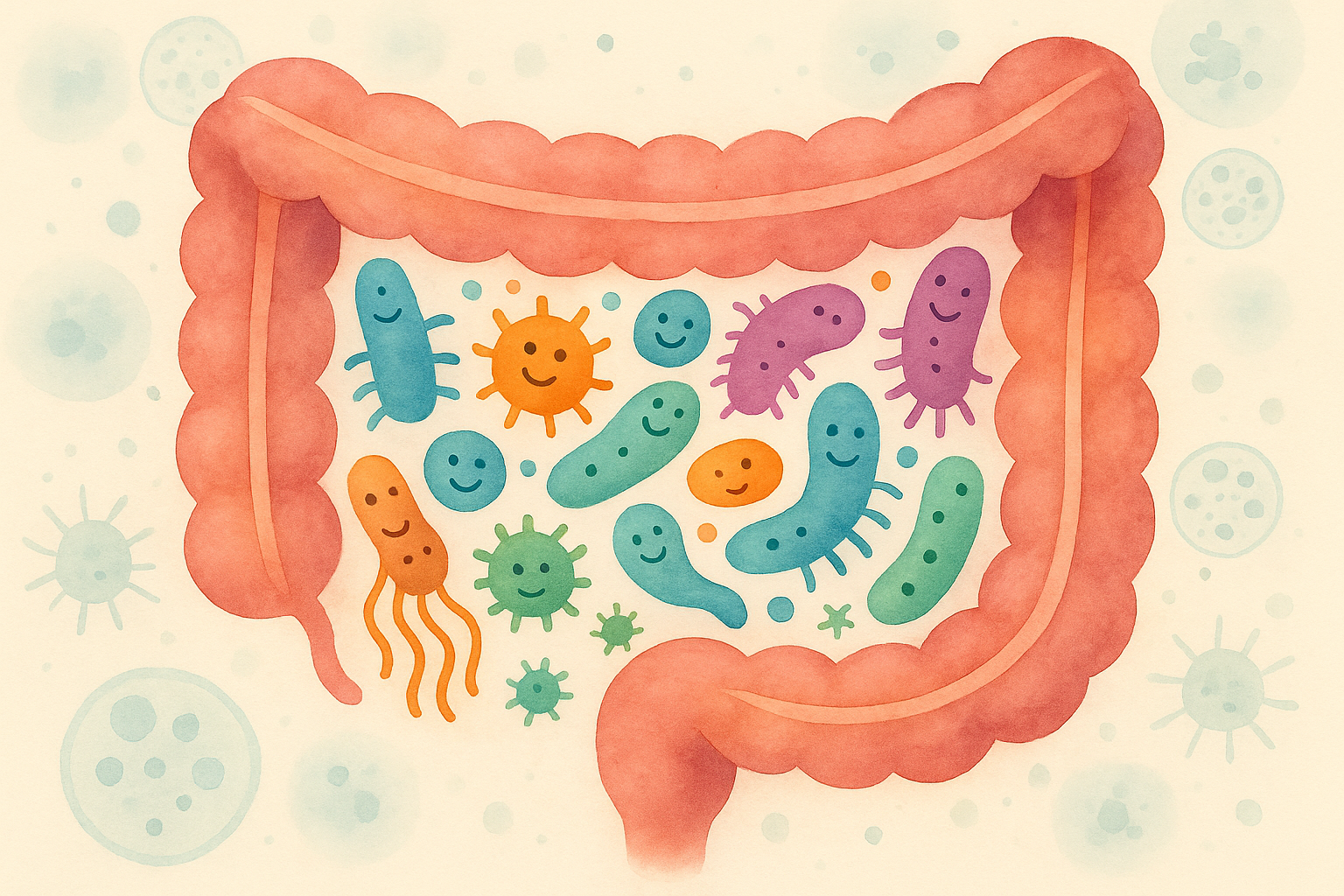
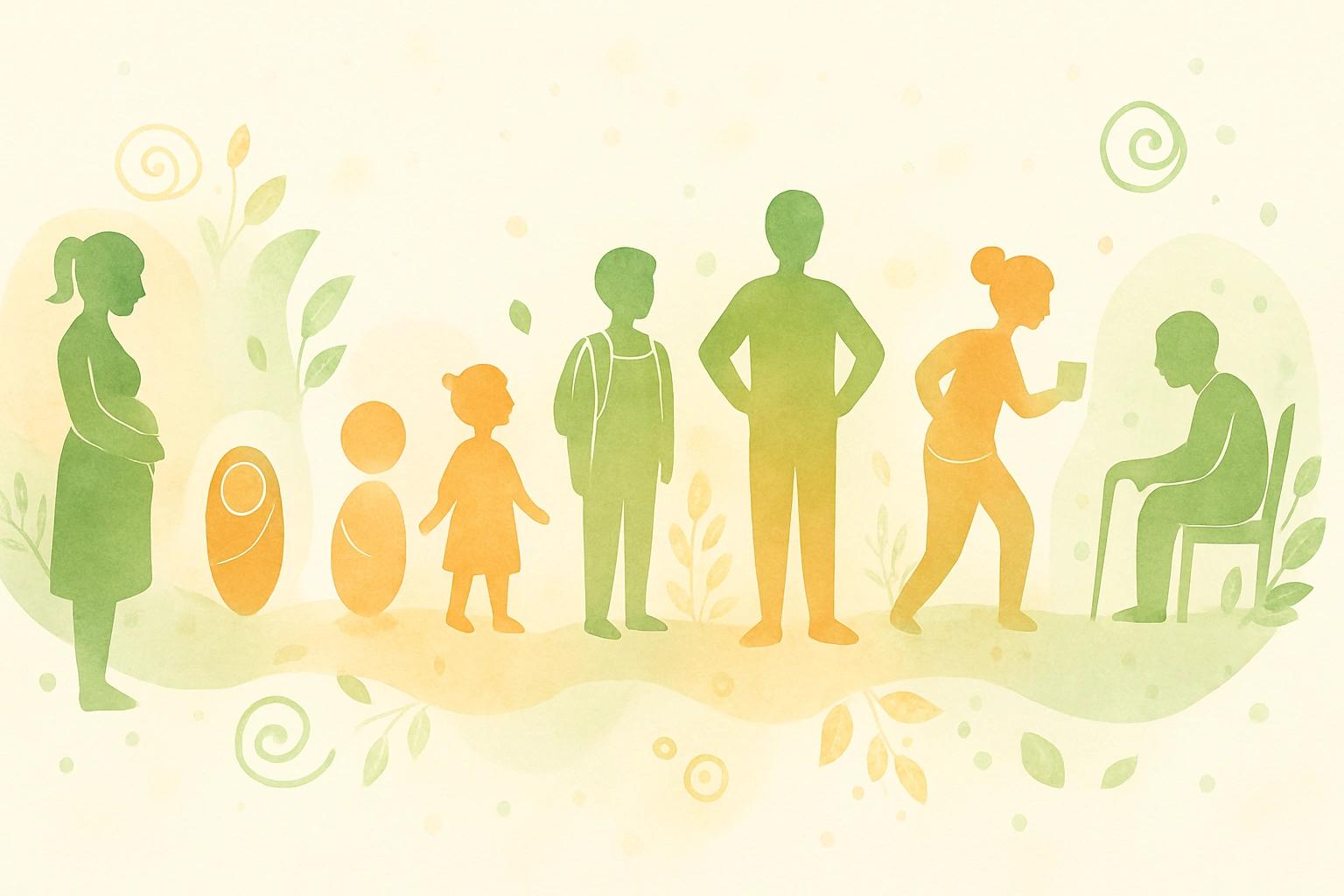
The gut microbiome evolves with us. It begins fragile in infancy, becomes rich and resilient through childhood and adulthood, and grows more delicate again with age. Across research on gut bacteria and gut health, two patterns explain most of these microbial changes:
- Richness — how many different microbial species are present
- Stability — how steady and resilient the community is
When we understand these patterns, gut health becomes far less overwhelming. Instead of viewing the microbiome as a fixed score or something to perfect, we can see it as a continuous story shaped by diet, illness, stress, sleep, medications, hormones, and daily rhythms.
The microbiome isn’t something we perfect — it’s something that grows with us.
How Scientists Understand the Microbiome (Simply)
Beyond richness and stability, researchers look at several qualities that describe how the gut ecosystem behaves:
- Composition: which microbes dominate
- Evenness: how balanced the ecosystem is
- Resilience: how well the gut recovers after stress or antibiotics
- Functional capacity: what microbes do — such as digesting fibers or supporting immunity
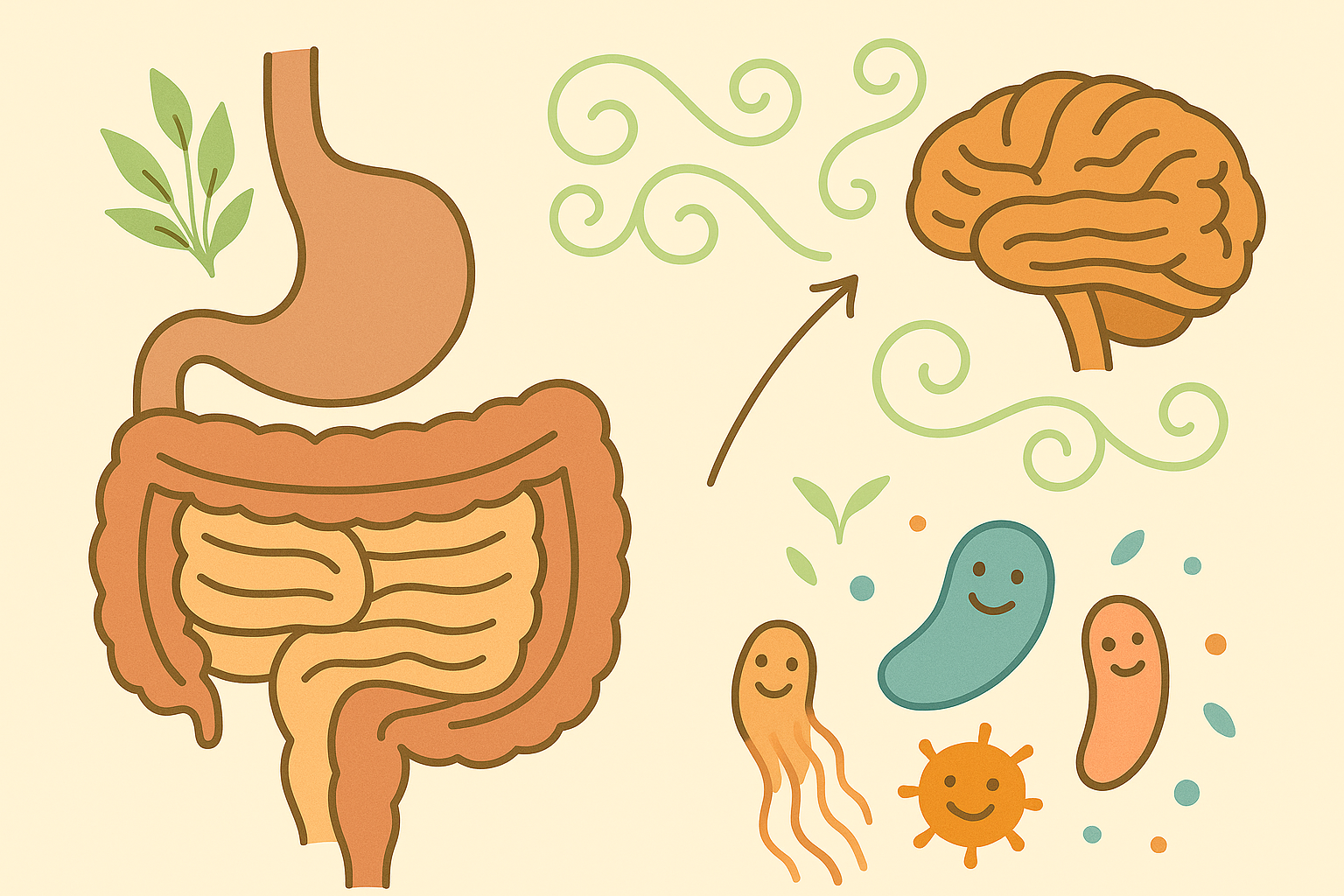
- Metabolites: compounds microbes produce that affect inflammation, gut lining health, and metabolic function
These qualities shift at every life stage and respond to the same day-to-day influences. Antibiotics, for example, influence all dimensions of the microbiome — not just richness.
Gut health is not one number — it’s a responsive ecosystem.
Life Stages of the Gut Microbiome
What follows is a clear view of how the gut evolves across major life phases — what’s happening biologically, what supports that stage, and what can disrupt it.
Pregnancy: Preparing the First Gut Blueprint
What’s happening
The maternal microbiome shifts to support fetal development and immune readiness. While the womb itself isn’t colonized, maternal gut and vaginal microbes form the first exposures a newborn meets during birth and feeding [^1].
What supports this stage
Balanced fiber-rich eating, metabolic steadiness, stress management, and adequate sleep.
What to watch out for
High inflammation, repeated antibiotic use, and very low dietary variety.
A baby’s microbial story begins even before birth.
Birth to 6 Months: The First Microbial Footprint
What’s happening
Birth mode influences the newborn microbiome: vaginal births seed maternal microbes, while C-sections begin with a different microbial signature. Breastmilk guides early gut development — richness is low, but functional benefits are high due to HMOs that support Bifidobacterium [^2]. Stability is still developing.
What supports this stage
Breastfeeding when possible, skin-to-skin contact, and predictable feeding rhythms.
What to watch out for
Unnecessary antibiotics, over-sanitizing, and abrupt feeding changes.
Early gut health thrives on guided simplicity.
6 Months to 3 Years: Microbial Diversity Takes Off
What’s happening
The introduction of solids rapidly expands microbial richness. New fibers, textures, and plant foods support new species. Stability is still forming, and the gut remains sensitive to illness and antibiotics. Studies show that the weaning transition strongly shapes microbiome maturation [^2].
What supports this stage
A wide variety of plants, repeated exposure to familiar foods, sensory exploration, and pressure-free mealtimes.
What to watch out for
Frequent antibiotics, highly repetitive diets, heavy processed-food reliance, or stressful mealtimes.
Small exposures create big microbial memories.
Childhood (3–12 Years): A Growing, Learning Microbiome
What’s happening
Gut bacteria become both richer and more stable. School, outdoor play, pets, and shared meals broaden microbial exposure and help build resilience. These patterns align with developmental microbiome research [^1].
What supports this stage
Consistent meals, fiber-rich foods, abundant plant diversity, and plenty of outdoor time.
What to watch out for
Low-fiber diets, recurring antibiotic cycles, and over-reliance on ultra-processed snacks.
Childhood is when microbes learn what “normal” feels like.
Adolescence: Hormones and Microbes in Conversation
What’s happening
Hormonal shifts change appetite, digestion, and immune tone. Richness remains high, but stability fluctuates with stress, sleep changes, and irregular eating patterns.
What supports this stage
Predictable meals, fiber-rich snacks, steadier sleep routines, and supportive food environments.
What to watch out for
Skipping meals, convenience-heavy diets, chronic stress, and restrictive eating.
The teen gut steadies when life steadies.
Emerging Adulthood (Late Teens–20s): A Responsive, Changing Microbiome
What’s happening
Richness stays high, while stability shifts with major transitions — new environments, travel, evolving sleep patterns, and changing daily routines.
What supports this stage
Establishing routines, steady meal timing, gentle structure around food, and sleep prioritization.
What to watch out for
Chaotic eating patterns, social jetlag, heavy alcohol intake, and extreme dieting.
Your gut reflects the routines you’re beginning to build.
Adulthood (30s–60s): Peak Microbial Richness and Stability
What’s happening
The adult microbiome reaches its most diverse and stable form. Research consistently shows adulthood as the peak of richness and stability before age-related decline begins [^1].
What supports this stage
Fiber-rich meals, consistent eating patterns, regular movement, stress management, and moderation with alcohol and sugar.
What to watch out for
Chronic stress, low-fiber diets, irregular meals, and a high medication burden without dietary support.
Consistency becomes the quiet driver of resilience.
Retirement Years (60s–70s): Gentle Microbial Shifts Begin
What’s happening
Richness declines slightly and stability becomes more sensitive. Appetite, mobility, and medications influence the aging gut microbiome [^3].
What supports this stage
Steady fiber intake, movement, social meals, and continued dietary variety.
What to watch out for
Sedentary routines, limited diet diversity, polypharmacy, and reduced social engagement.
Later in life, nourishment becomes both biological and emotional support.
Late Senior Years (70s+): A More Fragile Microbiome
What’s happening
Richness and resilience continue to decline. Inflammation-associated species rise, and digestion slows, making the gut more sensitive to disruptions [^3].
What supports this stage
Gentle fiber-rich foods, hydration, digestive-friendly routines, social meals, and comforting, familiar foods.
What to watch out for
Constipation, restrictive diets, medication load, and reduced appetite.
Nourishfully Insight: Later in life, nourishment becomes both biological and emotional support.
A Simple Way to Support the Gut at Any Age
Across the lifespan, two principles consistently support gut health:
1. Richness grows from variety.
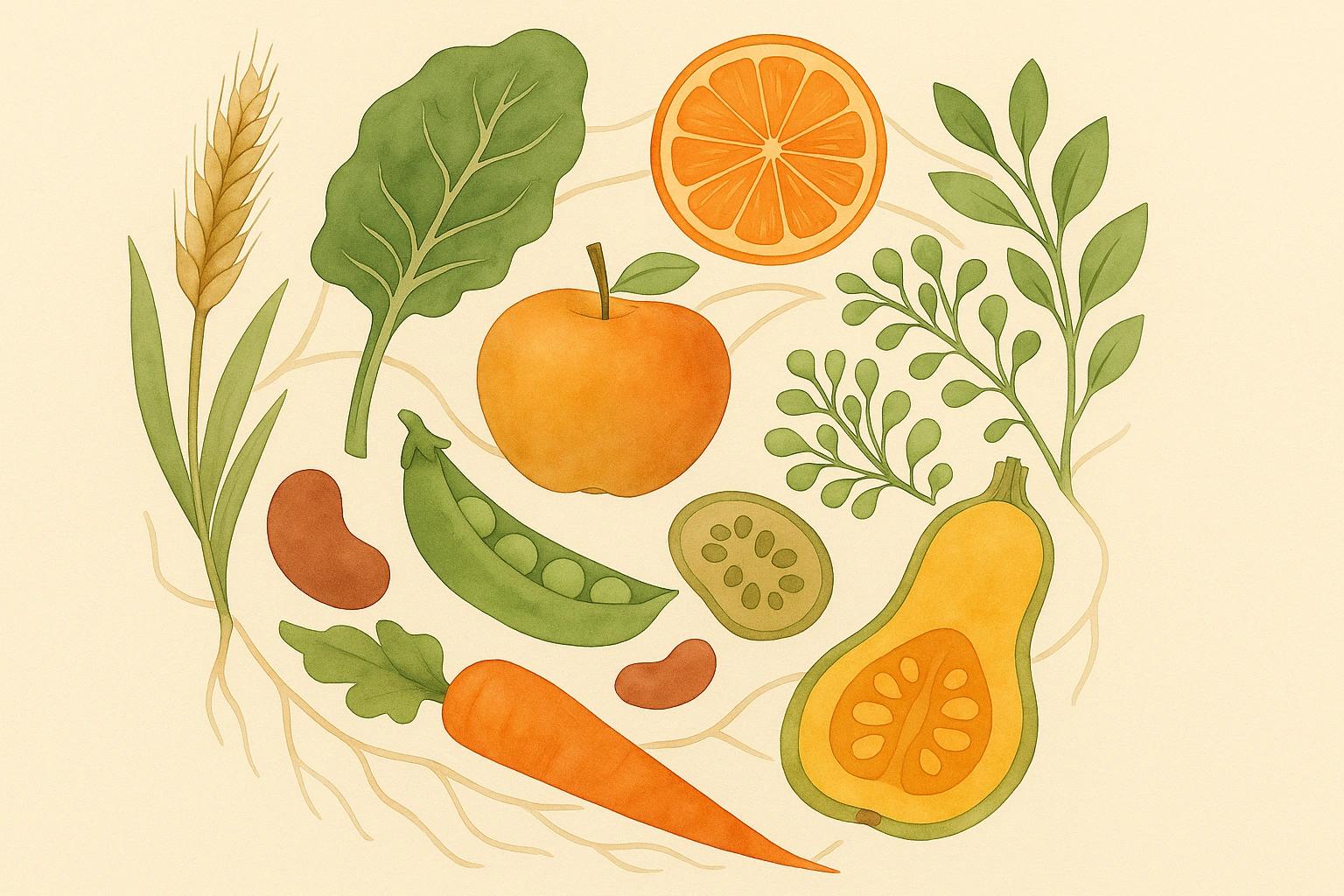
Different fibers, textures, spices, and fermented foods support different microbes.
2. Stability grows from rhythm.
Regular meals, predictable routines, steady sleep, and movement support microbial balance.
Every age needs its own blend of these principles — simplicity for infants, gentle variety for children, rhythm for adults, and soft nourishment for older adults.
There is no perfect microbiome — only a living ecosystem learning alongside us.
Share this article