A Nourish Note from One Vegetarian Caregiver to Another
A few weeks ago, after my daughter’s annual check-up, I found myself sitting in the car outside her school, waiting for pickup. It was one of those quiet mid-morning pockets in the day — errands done, a few minutes to myself, nothing rushing me.
Her pediatrician had said she was doing perfectly well. Growing well. Healthy. Active. Thriving. And yet, as I sat there flipping through my notes, a familiar thought drifted in:
“Am I giving her enough protein?”
I never quite know why these questions choose the moments they do.
Maybe because protein feels like a constant headline these days. Maybe because we’re a vegetarian family. Maybe because part of parenting is gently wondering if we’re missing something, even when all the signs point to “she’s doing great.”
So I opened a blank page in my notebook and did what so many vegetarian parents quietly do: I started listing her day.
Idli in the morning. Dal and rice for lunch. A vegetable. A chutney. Evening snack. Dinner. Millets on some days. Sprouts occasionally.
Some of it looked reassuring. Some seemed lower than I had imagined. And there it was again — that small wave of doubt.
“Is dal enough?”
“Do I need to add more?”
“Should I be doing something differently?”
It wasn’t a panic. Just that familiar tug that comes from caring.
And Then Something Shifted
As I looked at the page, one thing stood out so clearly: Whenever protein comes up in vegetarian conversations, we immediately anchor the answer to dal.
Dal is what we grew up hearing. Dal is what our mothers said. Dal is habit, culture, and memory.
But dal was never meant to carry the entire responsibility on its own. It offers what it offers — a lovely 7–9 grams — and that’s enough to start the story. Not enough to complete it. Somewhere along the way, we began treating dal as the beginning and the end of vegetarian protein. And that’s when it became clear:
We don’t have a protein problem. We have a variety problem.
Not because we aren’t eating enough, but because we fall into the comfort of repetition.
The Quiet Power of Diversity
And here’s what softened the worry more than anything: I realized that the way I already plan our meals — with food diversity in mind — naturally supports protein diversity too. Almost without effort. Because when more ingredients get their turn during the week, it doesn’t just help with protein.
It quietly brings in different kinds of fiber, different complex carbs, different micronutrients, and so many families of polyphenols we rarely talk about. One gentle intention ends up answering so many questions at once. And the truth is — it doesn’t have to be perfect.
It isn’t always easy to keep rotating foods when routines take over or when kids cling to their favorites. But even a small intention to explore more ingredients — a new dal here, a different millet there, a seed mix now and then — slowly builds its own rhythm.
Not all at once. Not every day. Just gradually, with curiosity.
Diversity isn’t something to follow. It’s something we quietly grow into. And when it becomes part of the background rhythm, everything else — protein, fiber, nourishment, balance — begins to fall into place on its own.
Dal Starts the Story… But Variety Completes It
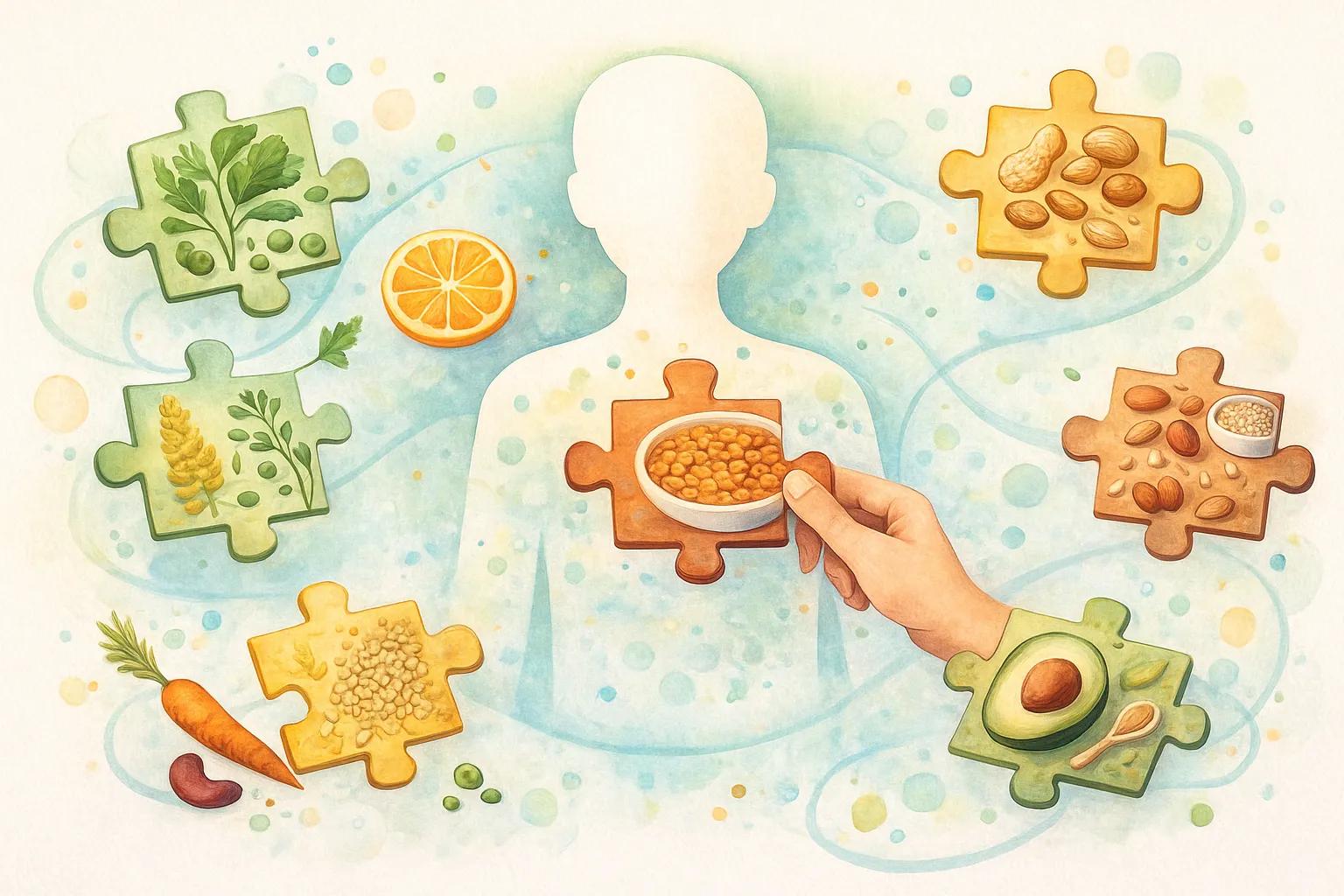
Protein in a vegetarian home doesn’t arrive in one big, heroic dose. It comes from many small, steady contributors: a spoonful of sambar, a handful of peanuts, a sprinkle of sesame, a bowl of curd (if included),a ladle of rajma, a dosa made from fermented batter, a poriyal with lentils, a millet roti here and there.
It doesn’t shout. It adds up quietly. And suddenly, everything I’d learned over the last couple of years connected in the simplest way:
- the body uses amino acids over 24–48 hours, not meal by meal
- every plant contains all essential amino acids, just in different proportions
- soaking, sprouting, and fermenting help more than we realize
- variety naturally balances amino acids
- Indian meals already layer protein beautifully
The worry softened. Her meals weren’t lacking protein. They were simply asking for more rotation — small, doable shifts.
The Real Question Isn’t “Is Dal Enough?”
Dal is absolutely enough to start the story. It always has been. But protein feels complete — nutritionally and emotionally — when more foods get a chance:
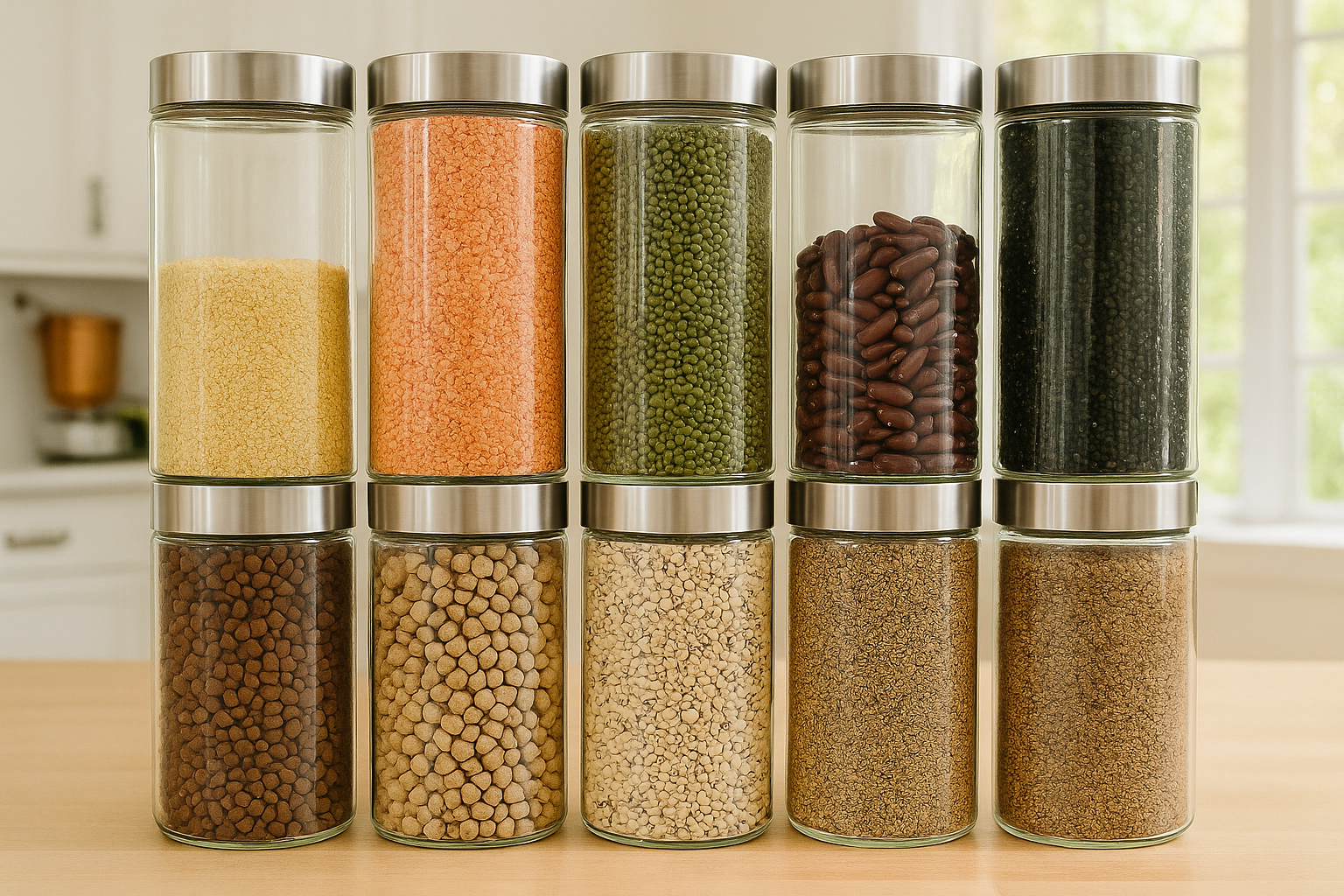
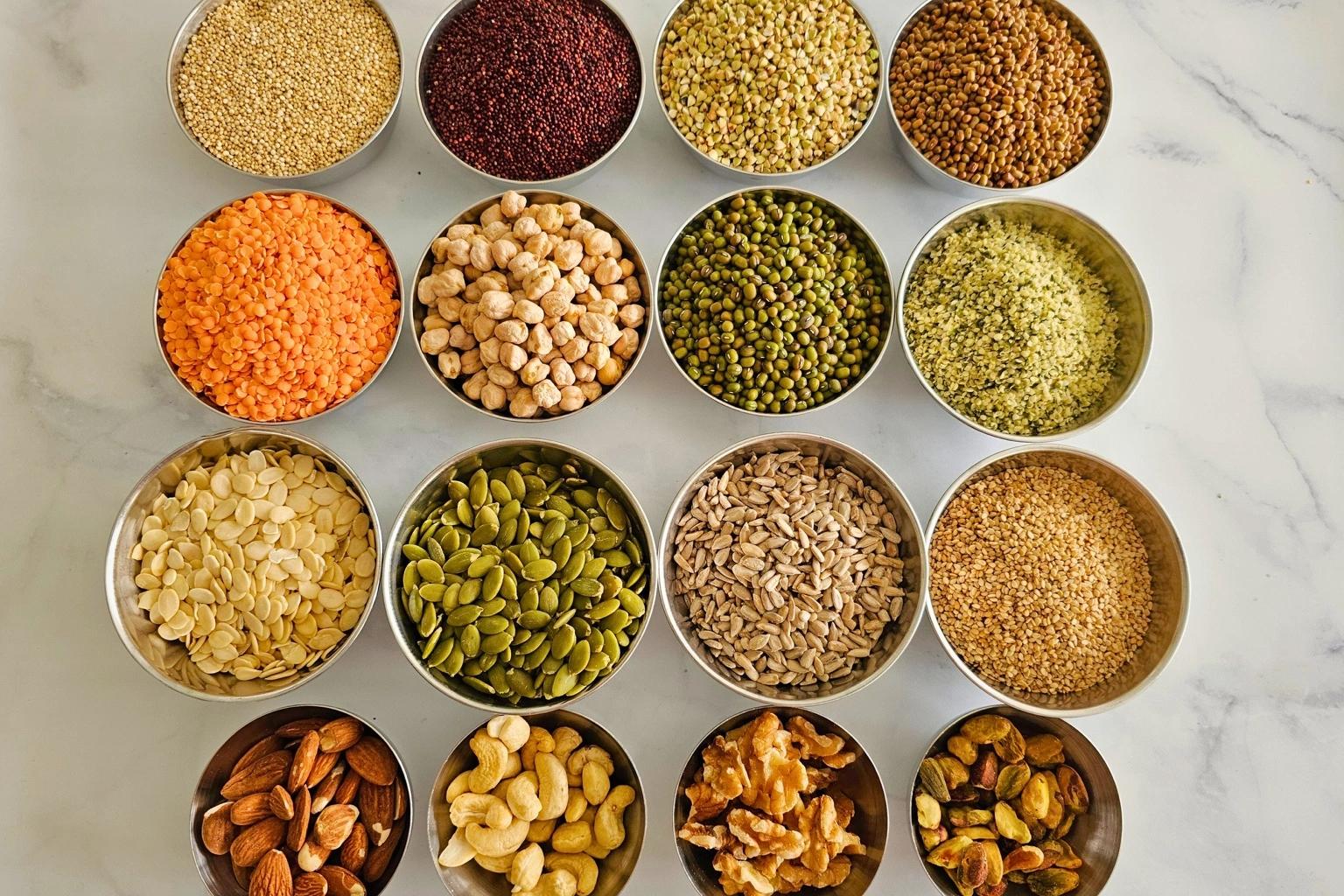
different lentils,
beans more often,
millets instead of rice now and then,
sesame and peanut chutneys swapping places,
sprouts appearing more regularly,
nuts and seeds slipping into snacks or tempering.
Protein isn’t about eating more. It’s about letting more foods speak. And once I understood that, everything felt lighter. I didn’t try to “boost” anything. I just began rotating what we already love.
Meals became more intentional — and more enjoyable.
If You Want the Deeper, Science-Backed Explanation…
This Nourish Note shares the experience. The Learning Grove article is the calm, research-backed explanation behind it:
- how amino acids truly work
- why we don’t need “complete protein” in every meal
- how plant proteins function in the body
- how traditional Indian cooking increases digestibility
- how to think about kids’ protein needs
- when powders help and when they don’t
If this note is the heart, That article is the clarity.
Share this article