A Story About Milk, Mucus, Genetics & Mindful Nourishment
(For every parent, grandparent, or caregiver who wants clarity)
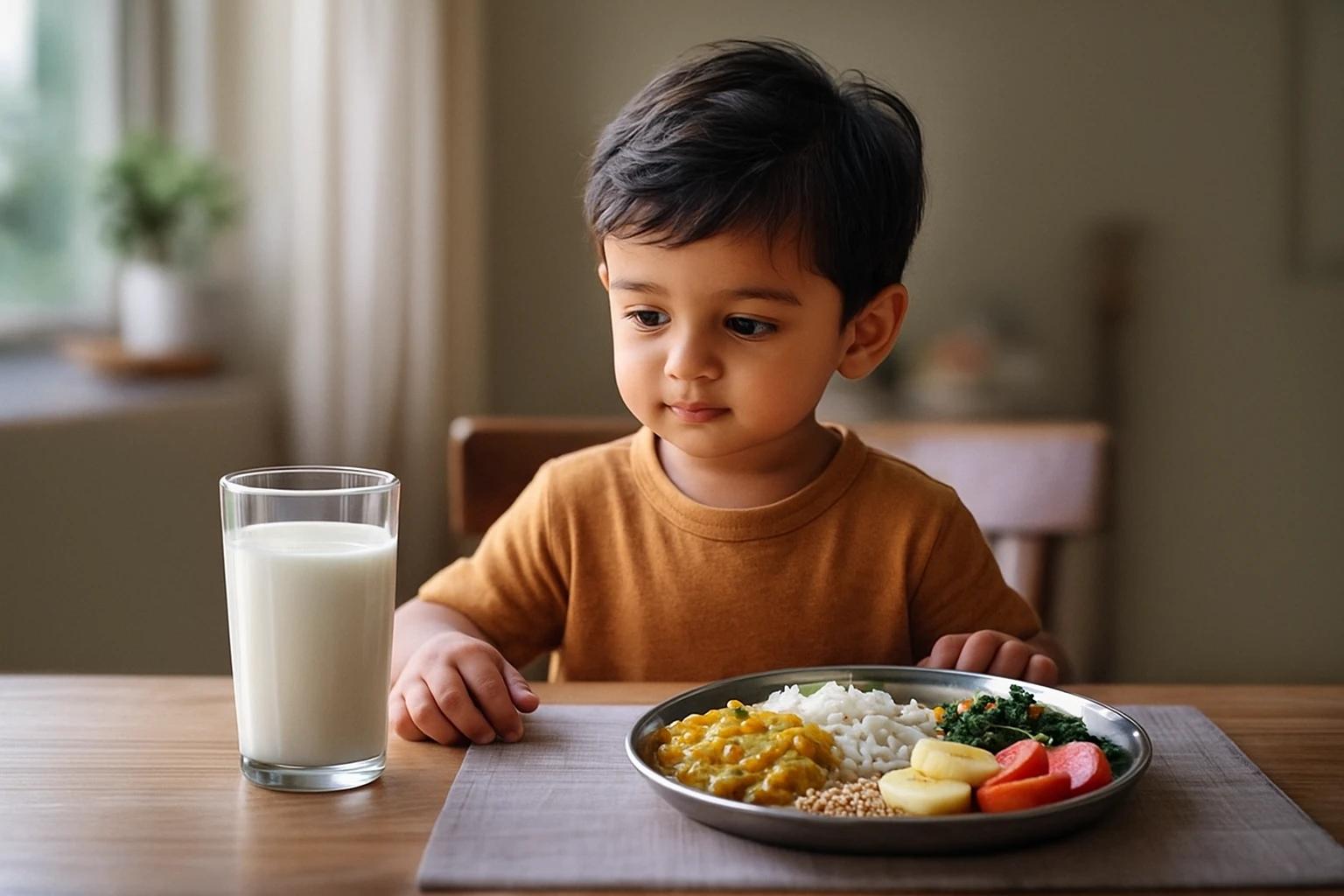
Every caregiver eventually reaches a moment where a simple food — like milk — suddenly raises big questions. This was mine.
It started with something familiar to most families — a runny nose that simply refused to go away.
Every time my son fell sick, his cold lasted 10–14 days. Not the usual 7-day cold pediatricians mention. Longer. Stickier. Slower to fade.
One evening at pick-up, I gently told his teacher, “Can you please not give him milk? It doesn’t suit him. I usually stop giving milk after age three.”
She looked genuinely surprised. So I explained:
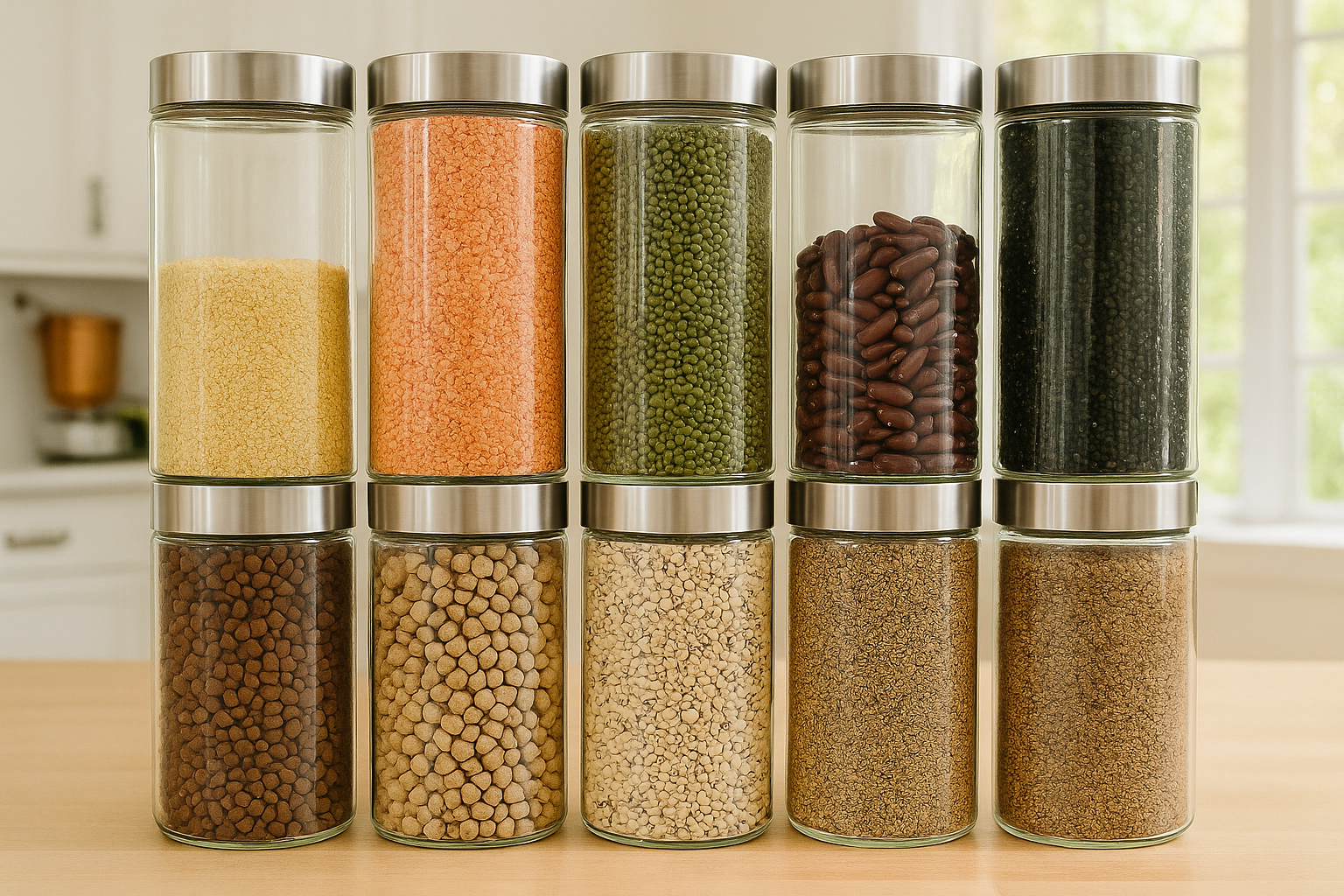
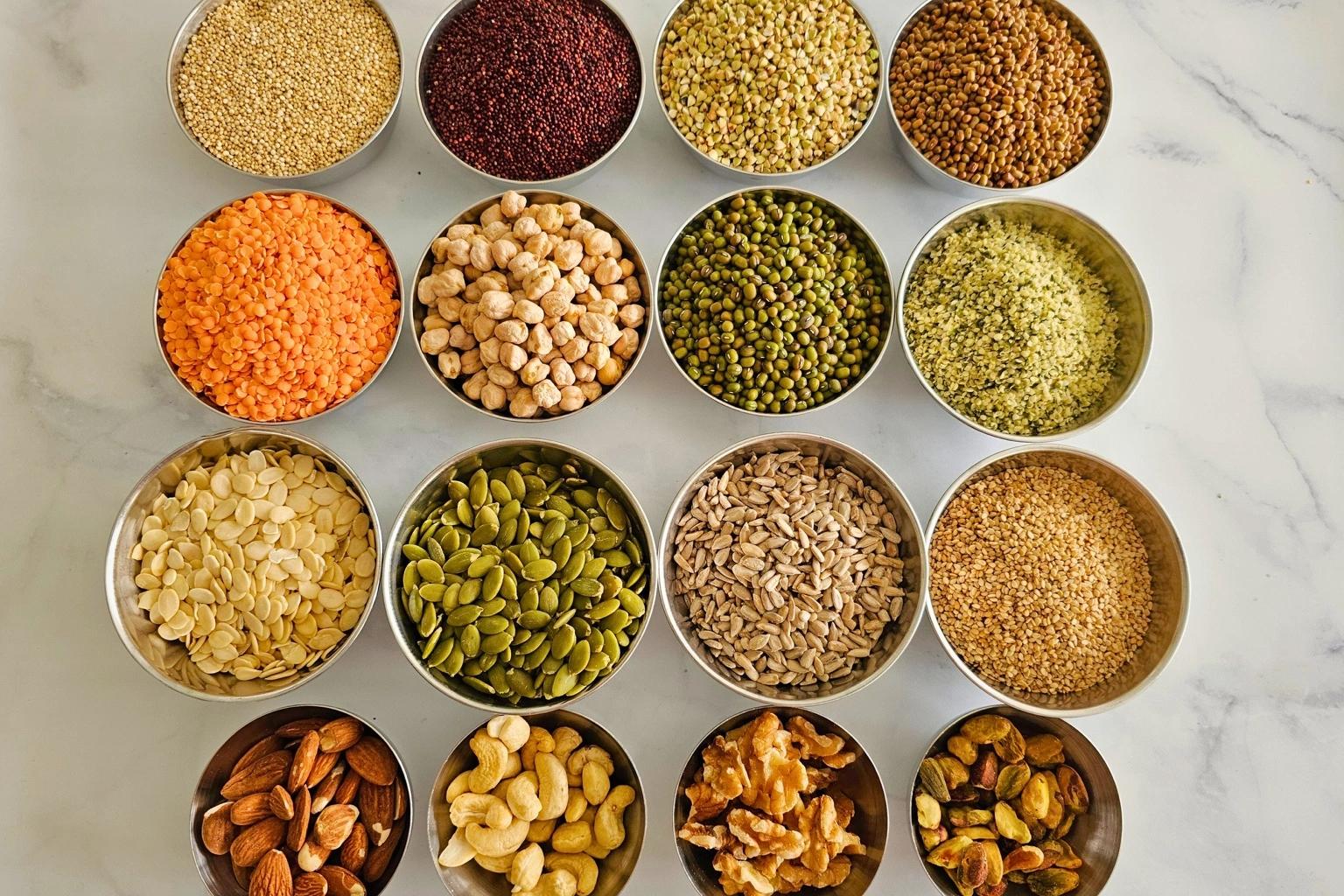
“Some kids get more congested with milk. And after three, milk isn’t mandatory — we can get the same nutrients from sesame, ragi, dal, nuts, and greens.”
Her response stayed with me: “I didn’t know that".
And she was right. No one tells caregivers these things.
So this article is for anyone raising and nourishing a child — for those who observe, who wonder, who adjust, and who simply want clarity without pressure, guilt, or judgment.
Is Milk Necessary After Age 3?
Short Answer: No — It’s Optional
Milk plays an important role between 1 – 2 years:
- easy calories
- healthy fats for brain development
- calcium
- predictable nutrition
But after age 2–3, major pediatric bodies — including AAP, CDC, WHO, and the Indian Academy of Pediatrics — agree:
- Milk becomes optional, not required
- All nutrients in milk can be met through food
- Excess milk can cause issues in some children:
- iron deficiency
- constipation
- reduced appetite
- prolonged congestion
Milk can stay if it suits your child. But it is not a nutritional requirement.
A Nourishfully Note Before We Go Deeper
This isn’t about being anti-dairy. It’s about offering clarity in a world that often gives caregivers only rules. At Nourishfully, our goal is simple:
To help families nourish with intention, not obligation.
Why Some Children Tolerate Milk Better Than Others
(Genetics, Lactase & Ancestry)
Every baby produces lactase, the enzyme needed to digest lactose in milk. But here’s the part no one explains: In most humans, lactase naturally decreases after early childhood.
This is the normal biological pattern for mammals. Only certain populations developed “lactase persistence genes” that allow lifelong milk digestion:
- Northern Europeans
- Certain East African & Middle Eastern pastoral tribes
- A few South Asian dairy-centric communities
Most of the world — including many Asian, African, Indigenous, and South Asian families — experience a decline in lactose tolerance after toddlerhood. This isn’t bad parenting. It’s simply genetics meeting ancestry.
Does Milk Cause Mucus?
A Nuanced, Science-Based Explanation. What research shows:
Milk does not cause mucus in all children
But…
Children with cow’s milk protein allergy (CMPA) or non-IgE sensitivities can experience:
- chronic congestion
- thicker mucus
- persistent cough
- sinus irritation
- longer colds
CMPA affects 2–5% of kids. Non-IgE sensitivities are far more common — and often under-recognized.
If your child gets congested after milk or recovers faster without it, your observation is valid. You don’t need a diagnosis to trust what you see.
Other Reasons Milk May Not Suit a Child
Skin Reactions (Eczema Flares) - Dairy can worsen eczema in sensitive children.
Constipation - Cow’s milk is a known contributor to constipation in some toddlers.
A1 Casein Sensitivity - Some children find A1 beta-casein harder to digest.
Iron Deficiency - Excess milk can:
- block iron absorption
- reduce appetite for iron-rich foods
- cause tiny gut blood losses
If I reduce milk… how do I replace the nutrients?
1 cup (8 oz) cow’s milk contains:
- Protein: ~8 g
- Calcium: ~300 mg
- Fat: ~8 g
- Vitamin B12: ~1–1.3 mcg
- Vitamin D: 100–150 IU
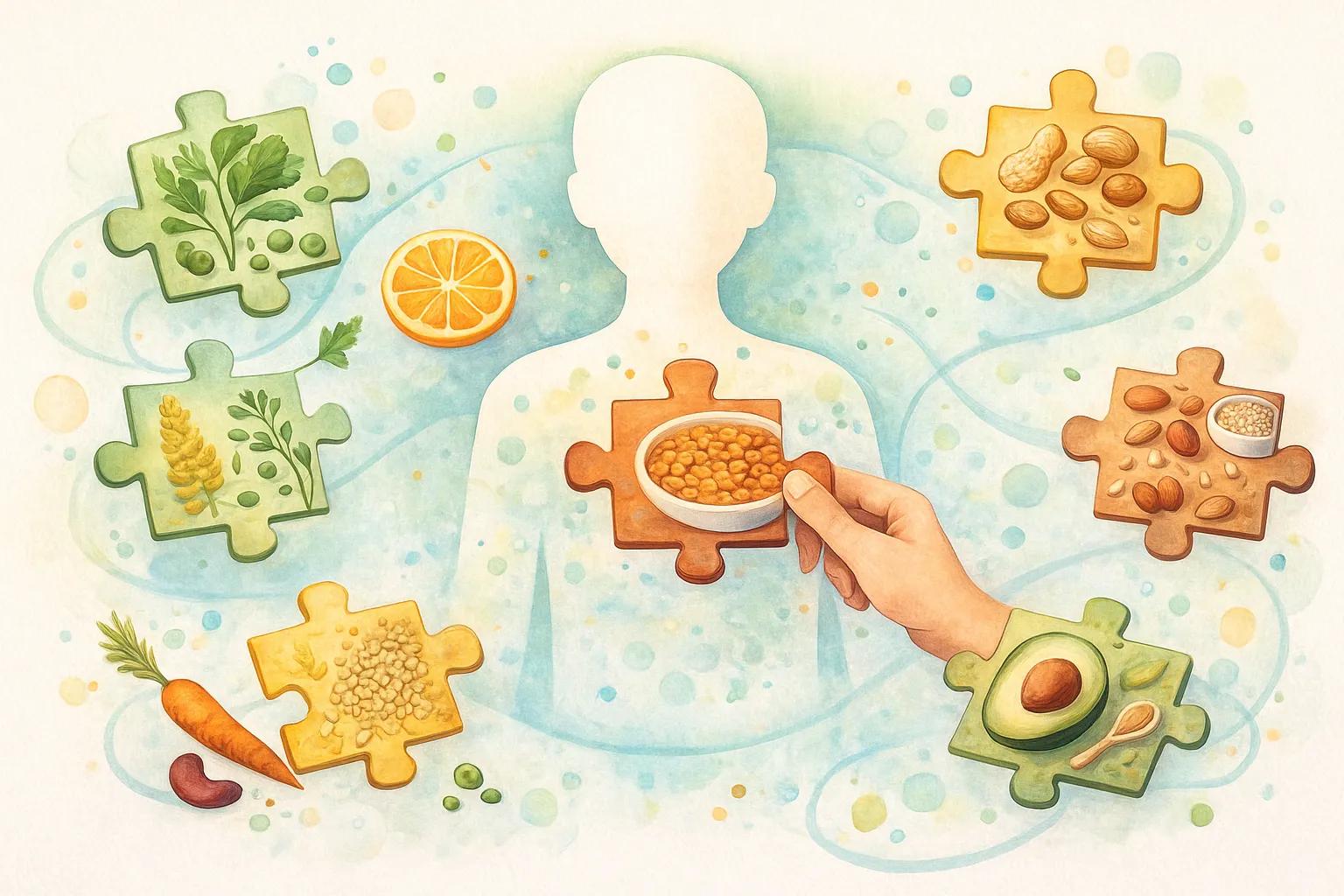
Here’s how to replace those nutrients through real food:
✔ Protein (~8 g)
- ½ cup cooked dal or lentils
✔ Calcium (~300 mg)
Choose one:
- 3–4 tbsp sesame seeds
- ½–⅔ cup firm tofu
- 1 cup cooked high-calcium greens
- Ragi + sesame combination
✔ Fat (~8 g)
- 2 tsp ghee
- 2 tbsp nuts/seeds
✔ Vitamin B12
- Fortified plant milk
- Nutritional yeast (for adults)
✔ Vitamin D
- Fortified plant milk
- Sunlight
- Pediatric-guided supplement
You don’t need all of these daily. A few thoughtful swaps across meals are enough.
Why Replacing Milk With Real Foods Is Not Just “Equivalent”…
It’s a Nutrition Upgrade, replacing milk with whole foods adds benefits that milk alone cannot offer:
- Gut Microbiome Diversity: More plant foods → more beneficial bacteria → stronger immunity.
- Fiber (Milk Has Zero): Dal, veggies, fruits, seeds → smoother digestion.
- Wider Nutrient Spectrum: Plants bring
- magnesium
- folate
- zinc
- antioxidants
- phytonutrients
- Balanced Energy: Whole meals digest more slowly than milk → steadier energy and appetite.
- Reduced Picky Eating: Exposure to textures builds flexible eaters.
- Cultural Food Memory: Greens, dal, ragi, sesame — these shape lifelong habits.
A glass of milk is one food. Replacing it often means five.
When Milk Can Be Helpful
To stay balanced and fair, Milk can be useful when:
- a child is underweight
- appetite is very low
- during picky phases
- limited access to diverse foods
- quick calories are needed
Milk is not the enemy — it’s simply one option among many.
Why Replacing Milk Requires Planning
Milk is convenient. Real food requires:
- intention
- rhythm
- conscious plating
- diversity
- simple rituals
- presence
This isn’t “extra work.” This is the work of nourishment.
A spoon of sesame here. A cup of dal there. Greens with lunch. Fruit as a snack. Ragi once or twice a week.
This rhythm makes milk truly optional — not because you removed it, but because you built a structure that stands strong on its own.
Planning isn’t pressure. Planning is love in action.
What This Article Is Not Saying
To avoid misunderstanding:
- Milk is not bad for all children.
- You do not need to remove milk if your child digests it well.
- You do not need plant milk.
- Dairy-free does not automatically mean healthier.
- This is not medical advice.
- Changes should be guided by your child’s needs and comfort.
This article is about choice, not restriction.
A Closing Note for Every Parent or Caregiver
This isn’t about eliminating milk. It’s about:
- observing your child
- trusting your instincts
- understanding their biology
- nourishing with real food
- supporting gut health
- creating a rhythm that feels good in your home
Milk can stay. Milk can go.
Either way, your child can thrive.
And yes — once we made gentle changes, those long colds didn’t linger the same way. But more importantly, we found a rhythm that suits him.
And that’s the heart of this journey.
Children don’t thrive on milk alone — they thrive on mindful planning, real food, and the steady presence of a caregiver who pays attention.
PS: This story and guide are for educational purposes only. Milk can be nourishing for many children, and removing it is not necessary unless guided by a child’s symptoms, comfort, or medical advice. Every child is wonderfully unique — follow what supports their growth and well-being.
Share this article